


Online gaming operates fast, and its outcomes are never certain. Users often look for more substance than just number crunching or tracking wagering trends. They can uncover a sturdy, age-old system in Stoic philosophy, which instructs emotional mastery, focus, and toughness. This article examines how the core concepts of Stoicism fit right into playing Lucky Jet. Taking on a Stoic outlook enables a player alter their whole strategy. They understand to handle the game’s built-in highs and lows with a calm mind and a organized strategy. The objective isn’t to promise a win each time. It’s to build an internal fortitude that makes the experience more thoughtful, more pleasurable, and a sustainable activity, no matter what transpires in any individual round.
A Stoic’s Bankroll: Prosperity and the Value of Management
For a Stoic, material items like money were «preferred indifferents.» They possess no moral value in themselves—they do not make us good or bad—but it’s natural to prefer them rather than not, as long as we get and employ them wisely. A Lucky Jet bankroll matches this description exactly. The money is indifferent. The virtue appears in how we manage it. Stoic gameplay, therefore, places the highest importance on the ethical and sensible management of funds. The aim shifts from «growing the bankroll no matter what» to «handling the bankroll with wisdom, temperance, and fairness to yourself.»
This thinking calls for a strictly principled system for financial stakes https://luckyjetcasino.uk/. We establish a separate entertainment budget, money apart from what we require for essentials. We treat it like the price of the experience itself. Inside that budget, we set firm session limits and bet sizes that are a very small part of the total. This enables us endure the volatility. The virtue is proven by following these self-made laws, not by the final number. A session where we forfeit our pre-set limit but stay precisely to our rules is, from a Stoic view, more successful than a session where we earn a lot but through reckless, uncontrolled betting. The bankroll becomes a practice field for the key virtue of temperance.
Loving the Fate of Every Flight
One core Stoic concept is «Amor Fati,» which signifies loving your fate. This surpasses just acknowledging what happens. It means welcoming every event, good or bad, as a essential part of the wider picture. For someone using Lucky Jet, this involves building an attitude that welcomes every outcome of the jet’s flight. Cashing out early for a profit and watching the jet crash before it hits your target multiplier should both be greeted with the same positive look. Each result is a piece of information, a lesson, and a integral part of the gaming session. This philosophy dismantles the harmful mindset that considers losses as purely bad and wins as the only good outcome. Instead, every round becomes a valuable experience that teaches us something and renders our approach stronger.
Using Amor Fati changes the emotional tone of the game. The nervous tension that often mounts as the multiplier goes up gets replaced by calm watching. When we learn to love the fate of each flight, we remove the pain out of losses and the addictive high out of wins. A loss transforms into a chance to practice bouncing back and to evaluate how solid our money rules are. A win becomes a validation that our disciplined process works, not a reason for losing control. This mindset fosters a long view, where the value comes from steadily using your principles, not from the temporary result of one bet. It lets us treat Lucky Jet as an exercise in character, not just a search for money.
Předvídání problémů: Anticipating Volatility
Stoický postup of «Premeditatio Malorum,» or the premeditation of troubles, means živě si představovat possible problems to snižit their emotional náraz and to připravit your response. For Lucky Jet, this is a key taktická pomůcka. Before starting a session, a Stoic hráč will vědomě přemýšlet about bad scenarios. They will mentally practice a sérii proher in a sledu, vizualizovat the jet crashing at very low koeficienty again and again, or imagine the vjem of propuštění a cash-out okamžik by a tiny množství. This isn’t being negative. It’s a kind of emotional and strategic vaccine.
By facing these možnosti ahead of time, we take away their sílu to surprise or throw us off later. When a série proher přijde, it nebývá a devastating šok. It’s něco we’ve already zvažovali vyrovnaně, and we have a plánem for it. This plánování directly formuje bankroll řízení, the most konkrétní aplikace of this idea. Vědomí that špatné série are jisté, we racionálně určíme in předstihu what část of our funds to vsadit per session and per bet. This makes sure no reálná losing šňůra can wipe out our resources. This praktika utužuje the psychiku against paniku. It udržuje our činy řízené by what we naplánovali, not by the zmatek of a moment’s bad luck.
The practice of Agreement: Handling Urges in Real-Time
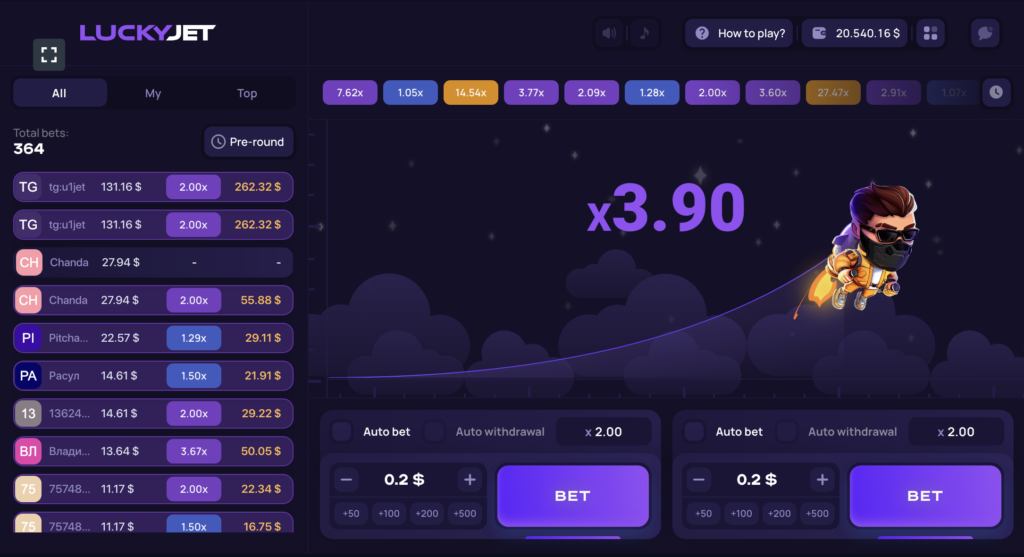
Stoic psychology talks about a strong mental step called the principle of assent. It depicts the brief interval between something occurring and our assessment of it. In Lucky Jet, this occurs in the key seconds as the multiplier rises. The first sensation might be covetousness («I should let it go higher») or dread («I need to cash out now»). An undisciplined mind gives in to these urges right away, resulting in decisions that break a plan made earlier. The Stoic player, nevertheless, puts in a pause. They detect the impulse as it shows up, identify it—a prompt from their emotions—and then consciously choose whether to accept it, in line with logic and their defined strategy.
This live mental control is the functional heart of Stoic gameplay. It prevents you from running after losses after a unexpected crash or raising your bets during a hot streak. By implementing this pause, we create space between ourselves and the raw flow of our sensations and emotions. We make room for our rational, pre-established rules to take charge. For illustration, if your strategy is to cash out at 2x, witnessing the multiplier reach 1.9x might provoke a intense impulse to delay. The discipline of assent lets you notice that desire, identify it as avarice, and then purposely choose the step that matches your approach: withdrawing. This continuous, micro exercise of self-discipline is where philosophy becomes execution on the gaming screen.
The Basis of Stoic Thought: Understanding What We Can Control
The heart of Stoicism is the dichotomy of control, a principle the philosopher Epictetus brought to prominence. It draws a line between what is in our power and what is not. This line is everything in Lucky Jet. We have complete command over our own actions, choices, and reactions. We pick our bet size. We choose when to cash out. We establish our session limits and our overall budget. We govern how much we prepare, how well we study the game’s rules, and how faithfully we stick to a strategy we determined beforehand. All other factors exists outside that circle. The exact multiplier where the jet disappears, the result of any given round, the random order of wins and losses—these things are not up to us. A Stoic player directs their energy only into the first category, meeting the second with calm acceptance.
This acceptance is not resignation. It’s an engaged, reasonable recognition of the way things actually work. Once we fully grasp that the jet’s flight path is pure chance, we quit spending emotional energy on results we can’t change. Getting upset about a «near miss» or thrilled by a «lucky win» are just reactions to things beyond us. They reveal nothing about our value or our ability. The spotlight shifts to the quality of our decisions. Did we stick with our cash-out plan? Did we oversee our bankroll smartly? If we assess ourselves based only on these controllable factors, we build a base of discipline and self-respect that the game’s randomness cannot shake. This change in thinking is the first and most important step in bringing Stoicism to Lucky Jet.
Looking Down from Above: Maintaining Perspective on the Match
Stoic philosophers employed an technique named the «View from Above.» It was intended to offer perspective by pulling back from your immediate situation. You might picture looking down on your community, then your country, and ultimately the entire earth, realizing how small your own concerns are in the grand scheme. Using this with Lucky Jet is a powerful antidote for the single-mindedness gaming can produce. In the heat of a session, one stake can appear like the most important event in the universe. The View from Above encourages us that this cycle, this session, and also this game, is a small, passing activity in the vast context of our entire journey.
This outlook aids maintain a sound relationship with the pastime. It prevents us from becoming too attached, where our value as a person gets linked to how we perform in a activity of chance. It reminds us that Lucky Jet is simply one type of recreation out of countless, a quick respite rather than a main life aim. When we step back, we see our playing next to our work, our connections, our further hobbies, and our responsibilities. This expansive outlook inherently pushes us toward restraint, improved time management, and a awareness of measure. A setback gets put in perspective as a trivial occurrence in a timeframe packed with other matters. This practice is key for maintaining balance and making sure seeking pleasure doesn’t accidentally damage alternative, more important parts of existence.
The Architecture of a Stoic Gaming Session
The final goal of Stoic practice is to construct an «Inner Citadel,» a mental fortress that stays calm and virtuous even when outside things are disorderly. A Lucky Jet session, with its fast rounds and varying fortunes, acts as a perfect modern training ground for developing this. Each round is a practice. A climbing multiplier tests our discipline against greed. An early crash tests our resilience against frustration. A successful cash-out tests our humility against pride. The whole session is a constant drill in employing the principles of control, assent, and perspective in real time. We conduct this training by remaining consciously attentive of our internal state the whole time. We monitor our thoughts and feelings from a small distance, labeling them without letting them dominate us. We make tiny breaks between rounds to reset, consciously releasing of the last flight’s result before starting the next one.
This practice changes gaming from a inactive, responsive activity into an engaged, intentional exercise in self-control. The actual win isn’t logged on your balance sheet these days. It’s registered in the quality of your awareness, the steadiness of your press, and the calm in your thoughts as you move through the erratic flight paths. The game becomes a vehicle for reflective practice. A Stoic method arranges the complete gaming experience into clear phases, each with its unique point. The pre-session is for reflection and rule-setting. Here we do Premeditatio Malorum and establish firm economic and strategic parameters. The active session is the arena for the exercise of acceptance, where we execute our strategy with concentrated objectivity, seeing our drives without pursuing them. The post-session is saved for review, a peaceful time to review what we accomplished against our standards, free from the pressure of the moment.
The Real-World Use of Post-Session Analysis
This three-part framework imposes clarity. It frames Lucky Jet not as a shapeless hobby but as a deliberate practice with a beginning, a center, and an finish. The most overlooked yet vital part is the thoughtful stop after playing. Here we use the View from Above on our own conduct. We pose impartial questions. Did I obey my principles? Where did my urges feel strongest? Did I maintain my mental stability? This isn’t a accusation session. It’s a clinical evaluation, like an competitor analyzing game video. This synthesis phase is where actual learning and personal evolution occur. It completes the cycle, ensuring every game, success or failure, aids fortify our Inner Citadel. It turns us more calm and controlled gamblers, and individuals, going onward.
The deliberate pause is more than a fuzzy notion. It demands a tangible technique to work. We recommend a disciplined five-minute check done away from the game screen. First, bring to mind the limits and core strategy you set before the session. Second, reflect on the key decision points, especially instances where you felt a powerful emotional urge, and note what you actually did. Third, contrast those actions to your pre-set rules without applauding or criticizing yourself. Fourth, pick out one specific observation for next time, like recognizing that greed feels strongest after two wins in a row. Finally, deliberately close the session, figuratively putting it to rest to stop yourself from ruminating. This disciplined reflection turns experience into wisdom. It assures you keep moving forward in your Stoic practice.
Stoikova Pevnost Vůči Gaming Fallacies
Velkým výzvou ve hrách například Lucky Jet představuje lidská zvyk důvěřovat poznávacím omylům, jako gamblerův klam či iluzi kontroly. Stoická philosophy, with its focus na rozum and seeing reality přesně, poskytuje silnou defense against these mistakes. The gambler’s fallacy představuje chybné přesvědčení, that past samostatné events ovlivňují budoucí ty, like očekávat a crash protože došlo k více successful kol in a row. Stoicism tomu čelí posilováním the knowledge, že každé kolo je nezávislá nahodilá event. Its outcome je zcela nesouvisející to what happened předtím. Pocit kontroly je přesvědčení, že vaše činy or rituals can affect náhodný generátor. Stoicism to boří by constantly pulling zaměření zpět na skutečné místo of control: naše úsudky and choices, ne algoritmus hry.
Osvojením the Stoic commitment nahlížet svět as it is, nikoli podle našich představ, we protect ourselves proti těmto misleading způsoby myšlení. Když pociťujeme a superstitious itch to change our cash-out point kvůli «vzorci» we think we spotted, můžeme to rozpoznat pouze jako vjem to look at, ne pravdu, podle které jednat. This clear-eyed realism guards both naše finance a náš duševní klid. It lets us enjoy skutečnou zábavní hodnotu hry—the tension, the decision-making, vizuální show—without becoming a slave to false stories about luck or skill where there aren’t any. This resilience nás proměňuje from vulnerable participants ve vyrovnané pozorovatele. We play the game aniž bychom byli ovládáni by our own biases.
Využití stoické moudrosti for the Lucky Jet game provides transformační rámec. Klade sebekázeň above temporary luck. By concentrating on co máme pod kontrolou—naše rozhodnutí, our reactions, naši přípravu—osvobozujeme se obav z nahodilosti. Ideas like Amor Fati a Disciplína souhlasu give practical tools pro pohyb skrze volatilitou hry with composure. Cvičení jako Premeditatio Malorum and the View from Above garantují, že naše účast je trvale udržitelné and balanced. In the end, this approach předefinovává co úspěch znamená. Hodnotí ho not by money piled up, but by resilience built, discipline shown a udrženou emoční rovnováhou. Touto cestou mění každé sezení into a chance pro osobní růst. Činí zážitek z Lucky Jet more enjoyable and, in a deeper way významnějším.